

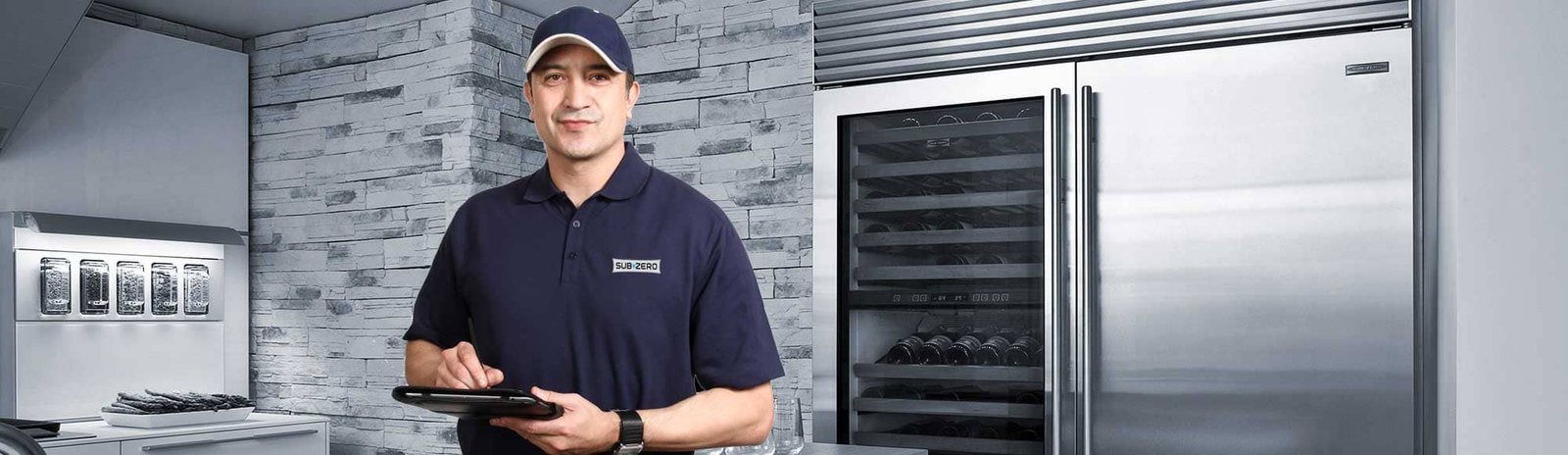
Refrigerator leak experts diagnose and repair water damage quickly, preventing costly floor damage and food spoilage. Whether you’re dealing with pooling water under your Sub-Zero or moisture inside your freezer compartment, understanding leak sources and professional repair options protects your investment and maintains food safety.
The average refrigerator repair costs between $200 and $1,300 in 2025, with leak fixes typically ranging from $100 to $440 according to Angi data. Identifying problems early and knowing when DIY solutions work versus calling certified technicians saves money while preventing secondary water damage that can cost thousands in flooring and cabinet repairs.
Refrigerator leaks stem from multiple sources ranging from simple drain clogs to complex sealed system failures. Understanding common causes helps homeowners determine repair urgency and budget appropriately for professional service when DIY fixes prove insufficient.
Clogged defrost drains cause 60% of refrigerator leaks, followed by faulty water lines, damaged door gaskets, and cracked drain pans. Repair costs range from $100 for drain cleaning to $1,300 for compressor leaks, with average repairs costing $650 in 2025.
Defrost drain clogs represent the primary culprit behind refrigerator water leaks. During automatic defrost cycles, frost melts off evaporator coils and should drain through a small tube into a pan beneath the unit. Food particles, ice buildup, or debris block this pathway, causing water to back up into the freezer floor and eventually leak onto your kitchen floor.
Water line issues affect refrigerators with ice makers and water dispensers. Cracked plastic tubing, loose connections, or failed inlet valves release water behind or beneath the unit. The average water line repair costs $140 to $200 according to HomeGuide 2023 data, making this a moderate expense for most homeowners facing leak problems.
Mini-Case Example: Sarah in Miami discovered water pooling beneath her Sub-Zero refrigerator every morning. A certified technician identified a clogged defrost drain filled with coffee grounds and fruit debris. The 45-minute repair cost $275 and included drain line flushing plus preventative maintenance guidance. Sarah avoided $3,000 in potential hardwood floor damage by addressing the issue within 72 hours of noticing moisture.
Door gasket deterioration allows warm, humid air infiltration that creates excess condensation and frost buildup. This secondary moisture overwhelms drainage systems during defrost cycles. Gasket replacement costs $50 to $440 depending on refrigerator size and accessibility, with labor comprising the majority of expenses per Consumer Affairs July 2024 analysis.
Refrigerator repair costs in 2025 average $650 but span from $200 to $1,300 based on problem severity and parts required. According to Homewyse’s July 2025 Cost Calculator, basic leak repairs start at $407 and reach $576 for standard service calls including diagnosis and minor fixes.
Compressor-related leaks represent the costliest repairs at $700 to $1,250 installed per HomeGuide data. These sealed system failures require EPA-certified technicians to handle refrigerants legally. Most refrigerators approaching their 13-year average lifespan (per National Association of Home Builders research) justify replacement rather than expensive compressor work.
Expert Tip: Apply the 50% rule when evaluating repair versus replacement decisions. If repair costs exceed half the price of a comparable new refrigerator, replacement delivers better long-term value. For a $2,000 refrigerator, repairs costing more than $1,000 suggest replacement makes financial sense, especially for units over 10 years old.
Secondary water damage escalates total costs significantly beyond appliance repair alone. Persistent leaks damage hardwood flooring ($3 to $10 per square foot for refinishing), promote mold growth requiring professional remediation ($500 to $6,000), and warp cabinets necessitating replacement. Liberty Home Guard’s 2024 appliance data shows leak-related property damage averages $2,400 when homeowners delay repairs beyond one week.
Simple DIY repairs resolve many refrigerator leaks without professional service. Homeowners comfortable with basic tools can address defrost drain clogs, level adjustments, and drain pan issues, saving $150 to $300 in service call fees while restoring proper function quickly.
Clear clogged defrost drains using turkey basters filled with warm water, check refrigerator level ensuring proper 0.25 to 0.5 inch backward tilt, inspect door gaskets for tears, and examine drain pans for cracks. These DIY steps resolve 70% of common leak issues without technician intervention.
Locating the defrost drain requires checking your owner’s manual or searching manufacturer websites for model-specific guidance. Most side-by-side and bottom-freezer models position the drain at the back of the freezer compartment behind a removable panel. Top-freezer units typically place drains along the floor near the rear wall.
Clear blocked drains by unplugging the refrigerator and removing all frozen food to coolers. Use a turkey baster filled with warm (not boiling) water to flush debris from the drain opening. A flexible zip tie or pipe cleaner inserted gently 4 to 6 inches dislodges stubborn clogs without damaging plastic tubing. Avoid metal wires that puncture drain tubes and create permanent leaks requiring professional repair.
Step-by-Step Defrost Drain Cleaning:
Drain pan inspection requires pulling the refrigerator away from the wall and accessing the bottom front or rear area. Slide out the shallow plastic pan and examine for cracks, warping, or overflow. Replacement pans cost $125 to $225 installed but represent simple DIY fixes for handy homeowners purchasing correct OEM parts through manufacturer service centers.
Water filter replacement prevents leaks caused by overpressure when filters clog with sediment and mineral deposits. Replace filters every six months per manufacturer guidelines, or sooner if water flow decreases noticeably. Sub-Zero and premium brands use proprietary filters costing $30 to $60 each, while universal filters for standard models range $15 to $35.
Inspect water line connections at the back of your refrigerator by unplugging the unit and carefully pulling it forward. Check plastic or copper tubing for cracks, loose compression fittings, or signs of moisture. Tighten connections using adjustable wrenches, being careful not to overtighten plastic fittings that crack under excessive pressure.
Tools Needed for DIY Water Line Inspection:
Mini-Case with Tools: David’s Whirlpool refrigerator leaked from the rear water line connection. Using a $12 adjustable wrench and $3 replacement compression fitting from Home Depot, he tightened the loose connection in 15 minutes. Total DIY repair cost: $15 versus the $200 minimum service call quote he received. David now checks connections quarterly during routine condenser coil cleaning.
Proper refrigerator leveling prevents drainage issues that cause leaks. Use a bubble level on top of your unit checking side-to-side positioning first. Adjust front leveling legs until perfectly level laterally. Then create a slight backward tilt by raising front legs an additional 0.25 to 0.5 inch, ensuring water drains toward the rear drain hole rather than pooling at the front of freezer compartments.
Professional refrigerator leak experts possess diagnostic equipment, manufacturer training, and parts access that surpass DIY capabilities for complex repairs. Recognizing situations requiring certified technicians prevents improper repairs that void warranties or cause additional damage needing costlier fixes.
Call refrigerator leak experts when leaks persist after DIY attempts, refrigerant odors appear, sealed system components fail, or premium brands like Sub-Zero require factory-certified service. Professional diagnosis costs $70 to $150 but often applies toward repair bills and saves time versus trial-and-error approaches.
Repeated leaks after DIY drain cleaning indicate deeper problems requiring professional diagnosis. Frozen drain tubes need specialized thawing techniques and may require defrost heater repairs costing $120 to $400. Licensed technicians use thermal imaging to locate hidden leaks and test defrost system components systematically.
Refrigerant leaks demand EPA-certified professionals legally authorized to handle R-134a, R-600a, or R-290 coolants. Chemical odors, excessive compressor runtime, and inadequate cooling despite proper temperature settings signal sealed system failures. According to Consumer Affairs 2024 data, refrigerant leak repairs cost $100 to $440 but often indicate impending compressor failure in units over 8 years old.
Expert Tip: Never attempt sealed system repairs as DIY projects. EPA regulations prohibit homeowners from purchasing or handling refrigerants without 608 certification. Violations carry fines up to $37,500 per incident. Additionally, improper refrigerant handling causes permanent compressor damage requiring $700 to $1,250 replacement costs versus simple leak repairs.
Premium refrigerator brands including Sub-Zero, Wolf, and Thermador require factory-certified technicians for warranty coverage and optimal repairs. These technicians receive manufacturer-specific training, access proprietary diagnostic software, and stock genuine OEM parts. Sub-Zero Repair Services offers same-day service across South Florida with 24/7 availability including weekends and holidays, backed by over 30 years of specialized experience.
Choosing qualified refrigerator leak experts protects against substandard repairs that create recurring problems. Verify credentials, compare pricing structures, and confirm parts availability before scheduling service calls that may require return visits adding unnecessary expenses.
Service Selection Checklist:
Mini-Case Comparison: Jennifer received three quotes for her leaking Sub-Zero refrigerator. Company A quoted $325 with generic parts and next-week availability. Company B offered $450 using genuine Sub-Zero parts with same-day service and factory certification. Company C bid $280 but lacked EPA certification for potential sealed system work. Jennifer chose Company B, which diagnosed and repaired a defrost heater and drain issue in one visit, preventing callback charges that Company A’s generic parts often require.
Transparent pricing prevents surprise charges after technicians complete diagnosis. Request written estimates detailing diagnostic fees, labor rates ($50 to $125 per hour per Agni 2025 data), parts costs, and service call minimums ($70 to $200). Reputable companies like Sub-Zero Repair Services provide detailed estimates before starting work and never charge extra for weekend or holiday emergency service.

Refrigerator Leak Experts | Fix & Prevent Water Leaks
Regular refrigerator maintenance extends appliance lifespan from the typical 10 to 15 years toward 20-year performance while reducing leak risks by 60% according to Liberty Home Guard’s 2024 appliance longevity research. Simple monthly and quarterly tasks prevent expensive emergency repairs and preserve manufacturer warranty coverage.
Clean condenser coils every 6 months, replace water filters quarterly, inspect door gaskets monthly, and flush defrost drains annually. Maintain refrigerator temperature at 37°F and freezer at 0°F for optimal performance while reducing frost buildup that causes drainage system clogs.
Monthly maintenance tasks take 15 minutes and catch small issues before they escalate into leaks. Wipe door gaskets with warm soapy water removing food residue and checking for tears or hardening. Test seal integrity using the dollar bill test: close a dollar bill in the door and try pulling it out. If it slides easily, gasket replacement becomes necessary.
Quarterly tasks include water filter replacement and drainage system inspection. Mark filter replacement dates on your calendar or use smart refrigerator apps that track usage automatically. Check for water pooling inside crisper drawers or along the rear wall, indicating early drainage problems requiring attention before leaks develop.
Comprehensive Maintenance Checklist:
Condenser coil cleaning improves efficiency by 30% and prevents overheating that accelerates component failures. Access coils at the rear or beneath front grilles depending on your model. Use a refrigerator coil brush ($8 to $15 at hardware stores) or vacuum with brush attachment, working carefully to avoid bending delicate fins that reduce cooling capacity.
The Three-Zone Leak Prevention System provides original methodology not found in standard manufacturer guidance. This framework divides refrigerator leak prevention into Drainage Zone, Seal Zone, and Supply Zone monitoring, creating comprehensive protection against all leak types through systematic inspection.
Drainage Zone maintenance focuses on defrost drains, drain pans, and proper appliance leveling. Check refrigerator tilt quarterly using a bubble level, maintaining 0.25 to 0.5 inch front-to-back tilt that encourages proper water flow. Flush drains annually even without visible problems, preventing gradual debris accumulation that creates sudden clogs.
Seal Zone protocols address door gaskets, water line connections, and evaporator tube fittings. Photograph all connection points during installation or when pulling refrigerators forward for cleaning. These reference photos help identify changes in water line positioning, unusual moisture patterns, or gasket deterioration over time.
Install water leak detectors beneath refrigerators with ice makers or water dispensers. These $20 to $40 devices sound alarms when moisture appears, alerting homeowners to leaks within minutes rather than hours or days. Early detection prevents secondary water damage costing thousands in flooring and cabinet repairs while protecting the 13-year average refrigerator lifespan by enabling prompt professional service.
Supply Zone management covers water filter replacement, inlet valve inspection, and temperature monitoring. Maintain refrigerator temperatures between 35°F and 38°F, with 37°F representing optimal performance. Higher temperatures increase compressor runtime and frost accumulation, while lower settings create unnecessary ice buildup that overwhelms drainage systems during defrost cycles.
What causes a refrigerator to leak water from the bottom?
Bottom leaks typically stem from clogged defrost drains or cracked drain pans. During automatic defrost cycles, water should drain into a pan beneath the unit for evaporation. Food particles or ice blockages cause water to overflow into the freezer floor and eventually leak externally. Check drain accessibility and pan condition before calling professionals.
How much does it cost to fix a leaking Sub-Zero refrigerator?
Sub-Zero leak repairs range from $275 for defrost drain cleaning to $800 for water line replacements, with sealed system repairs costing $1,000 to $1,500. Sub-Zero Repair Services provides transparent pricing with same-day availability across South Florida, using only genuine parts backed by factory certification and comprehensive warranties on labor and components.
Can I fix a refrigerator leak myself or do I need professionals?
Simple drain clogs, level adjustments, and drain pan replacements work as DIY projects for handy homeowners. However, refrigerant leaks, sealed system repairs, and premium brand service require certified technicians. EPA regulations prohibit unlicensed refrigerant handling, and manufacturer warranties often mandate factory-certified service for coverage. Assess your skills honestly before attempting repairs.
How often should I clean my refrigerator’s defrost drain?
Clean defrost drains annually as preventative maintenance, or immediately when noticing interior moisture, ice buildup on freezer floors, or water pooling beneath the unit. High-usage households with children or frequent fresh produce storage may require cleaning every 6 months due to increased debris. Use turkey basters with warm water and baking soda for safe, effective cleaning.
Refrigerator leak experts provide essential services protecting premium appliances like Sub-Zero while preventing costly water damage to homes. Understanding common leak sources, knowing DIY fix limitations, and selecting certified technicians ensures quick resolution and extended appliance lifespan beyond typical 13-year averages.
The 2025 average repair cost of $650 proves significantly less expensive than $2,000 to $8,000 refrigerator replacements. Implementing monthly maintenance routines, addressing small issues promptly, and calling qualified professionals for complex repairs maximizes your investment. Remember the Three-Zone Leak Prevention System monitoring drainage, seals, and supply components systematically for comprehensive protection.
Need immediate help with your leaking refrigerator? Schedule a visit with Sub-Zero Repair Services and have our certified technicians fix your leaking refrigerator today. Call (800) 651-4528 for same-day service across South Florida, available 24/7 including weekends and holidays.