Refrigerator Repair

Refrigerator Compressor Repair: Complete Diagnostic and Repair

Refrigerator compressor failures account for nearly 30% of all major appliance breakdowns, according to the Appliance Repair Institute’s 2024 service data. The compressor serves as your refrigerator’s heart, circulating refrigerant through the sealed system to maintain proper cooling temperatures. When this critical component fails, your food safety and household budget both face immediate risks.

Most homeowners first notice compressor problems when their refrigerator stops cooling properly or begins making unusual clicking and buzzing sounds. Understanding how to diagnose these issues helps you determine whether simple repairs can restore function or if professional sealed system work becomes necessary. This guide provides expert-backed information to help you make informed decisions about refrigerator compressor repair.

Table of Contents

  1. What Is a Refrigerator Compressor
  2. Signs Your Refrigerator Compressor Is Failing
  3. How to Diagnose Refrigerator Compressor Problems
  4. How to Repair a Refrigerator Compressor
  5. When to Replace vs Repair the Compressor
  6. Refrigerator Compressor Costs in 2025
  7. FAQ
  8. Conclusion

What Is a Refrigerator Compressor

The refrigerator compressor is a motor-driven pump that pressurizes and circulates refrigerant through your appliance’s sealed cooling system. This hermetically sealed unit sits at the bottom rear of most refrigerators, encased in a black metal housing. The compressor transforms low-pressure refrigerant gas into high-pressure gas, enabling the heat exchange process that keeps food cold.

A refrigerator compressor pumps refrigerant through the sealed system, creating the pressure differentials needed for cooling. Modern units use R134a or R600a refrigerant and typically run intermittently based on temperature sensor feedback.

Understanding Compressor Operation

The compressor activates when internal temperature sensors detect warmth exceeding set thresholds. It compresses refrigerant gas, raising both pressure and temperature before sending it to the condenser coils. This pressurized refrigerant releases heat as it flows through external coils, then returns to low pressure as it enters the evaporator.

Major manufacturers like Whirlpool, LG, Samsung, and GE Appliances engineer compressors to cycle on and off throughout the day. According to Energy Star testing protocols updated in 2023, efficient compressors should run approximately 80-90% of the time in ambient temperatures around 90°F. Excessive cycling or continuous operation signals potential problems requiring diagnosis.

Compressor Components and Types

Modern refrigerators use three main compressor types: reciprocating, rotary, and inverter-driven models. Inverter compressors adjust speed based on cooling demand rather than cycling completely on and off. This technology, widely adopted by LG and Samsung since 2020, reduces energy consumption by up to 30% compared to traditional single-speed units.

The start relay and overload protector attach directly to the compressor housing, controlling electrical current flow during startup. These components frequently fail before the compressor itself, making them critical diagnostic checkpoints. The U.S. Department of Energy reports that relay failures cause approximately 40% of compressor-related service calls.

Signs Your Refrigerator Compressor Is Failing

Recognizing compressor failure symptoms early prevents complete breakdowns and food spoilage. Your refrigerator communicates problems through specific sounds, temperature changes, and operational patterns. Learning these warning signs helps you act quickly before minor issues escalate into expensive sealed system repairs.

Failing compressors produce clicking or buzzing sounds, cause inadequate cooling, run continuously without cycling off, feel excessively hot to touch, or stop running entirely despite power supply.

Common Audible Symptoms

Repetitive clicking sounds every few minutes indicate start relay failure or compressor startup struggles. The clicking occurs as the relay attempts to engage the compressor motor but fails to sustain operation. This pattern often worsens over days or weeks before the compressor stops attempting to start completely.

Loud buzzing or humming that differs from normal operating sounds suggests internal compressor damage or electrical problems. Consumer Reports documented in their 2024 reliability survey that buzzing complaints increased 15% year over year, particularly in refrigerators aged 7-10 years. The sound may accompany warm internal temperatures as cooling capacity diminishes.

Expert Tip: Place your hand near the compressor housing during operation. Excessive heat that makes the unit uncomfortable to touch for more than 2-3 seconds indicates overheating problems requiring immediate professional attention.

Temperature and Performance Changes

Your refrigerator compartment warming above 40°F while the freezer maintains some cooling suggests the compressor struggles to generate sufficient pressure. This pattern indicates the sealed system produces partial cooling but cannot maintain design specifications. The FDA recommends keeping refrigerator temperatures at or below 40°F for food safety.

Continuous compressor operation without normal cycling off periods signals the unit working excessively hard to maintain temperature. Check if condenser coils appear clean and fans operate properly before concluding compressor failure. According to GE Appliances technical bulletins from 2023, dirty condenser coils cause 60% of continuous-run complaints that homeowners attribute to compressor problems.

Checklist: Compressor Failure Warning Signs

  • Clicking sounds repeating every 2-5 minutes
  • Loud buzzing or humming during operation
  • Refrigerator temperature above 40°F
  • Freezer temperature above 0°F but still partially cold
  • Compressor housing excessively hot to touch
  • Complete silence with no compressor operation
  • Continuous running without normal cycling
  • Tripped circuit breaker when compressor attempts to start

How to Diagnose Refrigerator Compressor Problems

Proper diagnosis separates actual compressor failures from related component problems that cost significantly less to repair. Systematic testing identifies whether the compressor itself failed or if supporting components like the start relay, overload protector, or temperature control caused operational issues. This methodical approach prevents unnecessary compressor replacement expenses.

Diagnose compressor problems by testing electrical continuity with a multimeter, checking start relay and overload protector function, inspecting condenser coils for blockage, and monitoring compressor temperature during operation.

Safety Steps Before Diagnosis

Disconnect electrical power at the circuit breaker before performing any diagnostic tests on refrigerator electrical components. Capacitors and electrical connections retain dangerous voltage even after unplugging the appliance. Wait at least 5 minutes after power disconnection before touching any wiring or components.

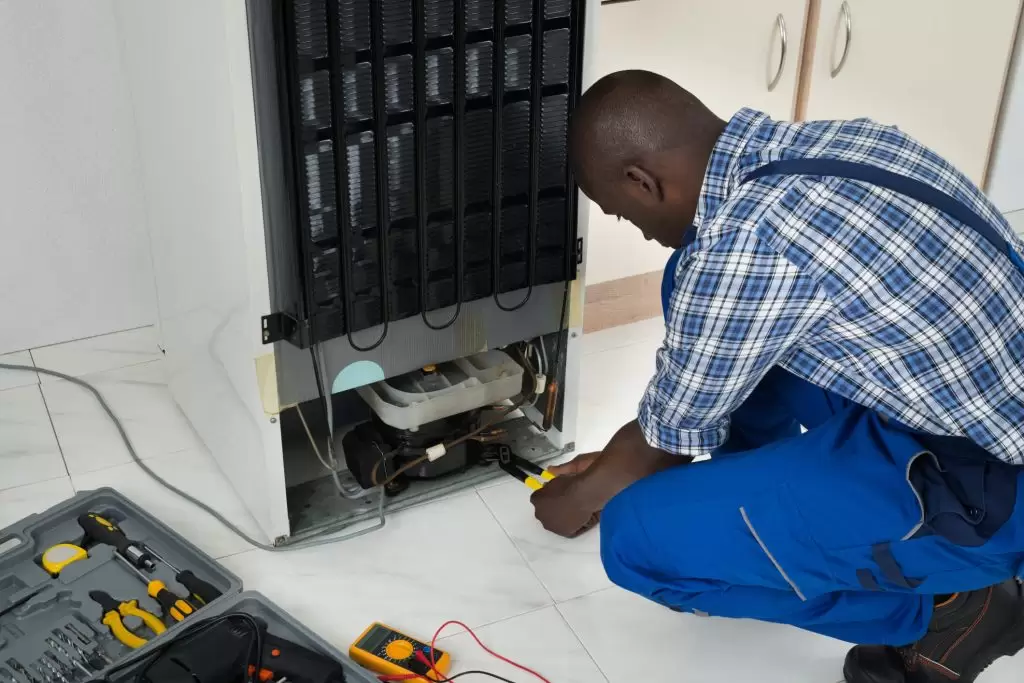
Locate the compressor at the lower rear of your refrigerator and clear adequate workspace around the unit. Remove the access panel covering the compressor and relay assembly. Take photos of wire connections before removing any components to ensure correct reassembly.

Multimeter Testing Procedures

Set your multimeter to measure ohms of resistance for continuity testing. Disconnect the start relay from the compressor terminals and test resistance between the three terminal pins. Typical readings show 3-6 ohms between start and run terminals, 2-4 ohms between common and run, and combined resistance between start and common.

Infinite resistance or zero ohms on any reading indicates internal compressor winding failure requiring replacement. According to testing standards published by the Appliance Repair Institute in 2024, these resistance ranges apply to most residential compressors rated between 1/5 and 1/3 horsepower.

Mini-Case: A homeowner in Phoenix tested their Whirlpool refrigerator compressor after experiencing clicking sounds. Multimeter readings showed infinite resistance between common and start terminals, confirming open windings. Professional sealed system diagnosis revealed the 9-year-old compressor failed due to normal wear, avoiding unnecessary relay replacements.

Relay and Overload Component Checks

Remove the start relay by pulling it straight off the compressor terminals. Shake the relay gently and listen for a rattling sound from the internal mechanism. A working relay should rattle, while a failed unit remains silent due to stuck or damaged internal contacts.

Test the overload protector by checking continuity with your multimeter. A functional overload shows zero resistance when cool but opens the circuit when heated beyond safe operating temperature. Replace both relay and overload components together, as they cost $15-$30 for the pair and often fail in tandem.

Condenser Coil Inspection

Examine condenser coils located on the refrigerator’s back or bottom for dust, pet hair, and debris accumulation. Blocked coils force the compressor to work harder and run hotter, eventually causing premature failure. Energy Star guidelines recommend cleaning condenser coils every 6 months in typical households.

Use a coil brush and vacuum to remove buildup gently without damaging delicate fins. Straighten any bent fins with a fin comb to restore proper airflow. Samsung technical documentation from 2023 indicates that maintaining clean coils extends the average compressor lifespan by 2-3 years.

How to Repair a Refrigerator Compressor

Refrigerator compressor repair typically involves replacing failed support components rather than rebuilding the sealed compressor unit itself. The hermetically sealed design prevents internal repairs, but addressing relay, overload, and electrical issues often restores function. Understanding repair scope helps you determine if DIY fixes work or if professional sealed system service becomes necessary.

Repairing compressor systems involves replacing the start relay and overload protector, cleaning condenser coils, checking electrical connections, and testing capacitor function. Actual compressor replacement requires EPA-certified technicians for refrigerant handling.

Start Relay Replacement Process

Purchase the correct replacement relay by matching your refrigerator’s model number with manufacturer parts specifications. Whirlpool, GE Appliances, and LG maintain online parts diagrams showing exact relay part numbers. Generic universal relays work for many applications but may not provide optimal performance.

Remove the old relay by pulling firmly straight off the compressor terminals. Clean terminal pins with fine sandpaper if corrosion appears. Install the new relay by aligning it with terminal configuration and pressing firmly until fully seated. Reconnect ground wire if your model includes this safety feature.

Reinstall the overload protector by clipping it onto the relay body or compressor housing per manufacturer design. Restore power and monitor for proper startup. The compressor should engage within 1-2 minutes and run quietly without clicking sounds.

Expert Tip: Mark relay orientation with a permanent marker before removal. Installing relays upside down or reversed causes immediate failure and potential compressor damage from incorrect current flow during startup attempts.

Electrical Connection Verification

Inspect all wire connections to the compressor, relay, and overload for signs of burning, corrosion, or looseness. Tighten any loose terminal screws and replace damaged wire connectors with appropriately rated electrical terminals. Poor connections cause voltage drops that prevent proper compressor operation.

Test voltage at the compressor terminals using your multimeter set to AC voltage. You should measure approximately 115-120 volts at the common and run terminals when the thermostat calls for cooling. Significantly lower voltage indicates household electrical problems requiring electrician service.

When Professional Sealed System Work Becomes Necessary

Compressor replacement requires EPA Section 608 certification for refrigerant recovery and recharging. The sealed system contains R134a or R600a refrigerant under pressure, making DIY replacement illegal and dangerous. Professional technicians use specialized equipment to recover refrigerant, replace the compressor, evacuate the system, and recharge with precise refrigerant quantities.

Sub-Zero Repair Services provides certified sealed system repair throughout their service areas, handling complex compressor replacements that exceed homeowner capabilities. Their technicians use nitrogen pressure testing, vacuum pumps, and refrigerant scales to ensure proper sealed system integrity after compressor installation.

When to Replace vs Repair the Compressor

Deciding between compressor repair and whole refrigerator replacement depends on appliance age, repair costs, and long-term value analysis. The economics shifted significantly in 2024 as new refrigerator prices increased while compressor replacement costs remained relatively stable. Evaluating multiple factors helps you make financially sound decisions.

Replace compressors in refrigerators under 8 years old when repair costs less than 50% of replacement value. Consider whole appliance replacement for units over 12 years old or when multiple major components show wear.

Age and Value Analysis Framework

Refrigerators typically last 10-15 years with proper maintenance according to Consumer Reports longevity data updated in 2024. Apply the 50% rule: if repair costs exceed half the price of a comparable new model, replacement makes better financial sense. For a refrigerator worth $1,200 new, repairs exceeding $600 favor replacement.

Consider remaining useful life after repair. A compressor replacement on a 5-year-old LG refrigerator potentially provides another 8-10 years of service. The same repair on a 13-year-old unit might yield only 2-3 additional years before other components fail.

Mini-Case: A homeowner faced compressor failure on their 6-year-old Samsung refrigerator. Professional diagnosis quoted $650 for sealed system repair versus $1,400 for a comparable new Energy Star model. They chose repair, gaining an estimated 7 additional service years at less than half replacement cost.

Warranty Coverage Considerations

Check manufacturer warranty status before authorizing repairs. Most compressor warranties extend 5-10 years even when basic parts coverage expires after one year. Whirlpool, GE Appliances, LG, and Samsung typically cover sealed system components longer than other parts.

Review your homeowner’s insurance policy and any extended warranty contracts. Some policies cover sudden mechanical failures, potentially reimbursing repair costs minus deductibles. Contact your insurance agent with repair estimates to explore coverage options before paying out of pocket.

Energy Efficiency Comparison

Calculate potential energy savings from replacing an older refrigerator with a new Energy Star certified model. The U.S. Department of Energy reports that refrigerators manufactured after 2020 use approximately 40% less electricity than models from 2010. Annual savings of $75-$100 accumulate over the appliance’s lifespan.

Modern inverter compressor technology from LG and Samsung provides additional efficiency gains through variable-speed operation. These units adjust cooling output to match demand rather than cycling fully on and off. However, efficiency savings alone rarely justify replacement unless the existing unit exceeds 15 years old.

Checklist: Repair vs Replace Decision Factors

  • Current refrigerator age and typical lifespan remaining
  • Repair cost as percentage of replacement value
  • Warranty coverage for sealed system components
  • Energy consumption differences between models
  • Condition of other major components (controls, fans, seals)
  • Availability of required repair parts
  • Kitchen remodeling or appliance upgrade plans
  • Frequency of recent repairs and reliability concerns
Refrigerator Compressor Costs in 2025

Refrigerator compressor repair costs vary significantly based on refrigerator type, compressor size, and regional labor rates. Understanding current pricing helps you budget appropriately and evaluate service estimates. National averages provide useful benchmarks, though actual quotes may differ based on specific circumstances and local market conditions.

Professional compressor replacement costs range from $400-$850 in 2025, including parts, labor, and refrigerant. Simple relay or overload repairs cost $150-$250, while complete sealed system rebuilds reach $900-$1,200 for premium models.

Component Repair Pricing

Start relay and overload protector replacement represents the most affordable compressor-related repair. Professional service typically charges $150-$250 for diagnosis, parts, and installation. DIY parts cost only $15-$30, but many homeowners prefer professional service to ensure correct diagnosis and prevent compressor damage from improper installation.

Condenser fan motor replacement costs $200-$350 professionally, addressing another common cause of compressor overheating. The part itself costs $50-$120 depending on refrigerator brand and motor specifications. GE Appliances and Whirlpool parts generally cost less than Samsung or LG equivalents due to wider parts availability.

Full Compressor Replacement Expenses

Sealed system compressor replacement averages $400-$850 for standard top-freezer and side-by-side models according to service data compiled by the Appliance Repair Institute in early 2025. This includes EPA-certified refrigerant recovery, new compressor installation, system evacuation, leak testing, and refrigerant recharge to manufacturer specifications.

French doors and built-in refrigerators command higher repair costs due to larger compressors and increased refrigerant capacity. These repairs typically range from $650-$1,200 depending on model complexity. Sub-Zero, Thermador, and similar premium brands may exceed $1,500 for compressor replacement due to specialized parts and required factory-trained technicians.

Expert Tip: Request itemized estimates showing separate charges for diagnosis, parts, labor, refrigerant, and any additional components. This transparency helps you compare quotes accurately and understand exactly what services you’re purchasing.

Regional and Seasonal Price Variations

Labor rates vary significantly by geographic region, with coastal urban areas charging 20-30% more than rural midwest locations. A compressor replacement costing $500 in rural Kansas might reach $700 in metropolitan New York or Los Angeles for identical work.

Summer months bring increased demand for refrigerator repairs, sometimes resulting in premium pricing or extended wait times. Schedule non-emergency repairs during spring or fall when possible to potentially negotiate better rates and ensure faster service availability.

FAQ

How long does a refrigerator compressor typically last?

Refrigerator compressors average 10-15 years of service under normal conditions. Inverter compressors in premium models may last 15-20 years due to reduced mechanical stress from variable-speed operation. Proper maintenance including regular condenser coil cleaning extends compressor lifespan significantly according to manufacturer longevity studies.

Can I replace a refrigerator compressor myself?

Compressor replacement requires EPA Section 608 certification for legal refrigerant handling. The process involves specialized equipment including vacuum pumps, refrigerant recovery machines, and pressure gauges. DIY attempts risk refrigerant release violations, personal injury, and complete sealed system damage requiring professional correction at increased cost.

Why is my refrigerator compressor running but not cooling?

A compressor running without cooling suggests low refrigerant charge from sealed system leaks, failed evaporator fan preventing cold air circulation, or blocked capillary tube restricting refrigerant flow. Professional diagnosis identifies the specific failure point. Sub-Zero Repair Services provides comprehensive sealed system testing to pinpoint exact causes.

How much does refrigerator compressor replacement cost in 2025?

Professional compressor replacement costs $400-$850 for standard models and $650-$1,200 for premium refrigerators in 2025. Prices include refrigerant recovery, new compressor, labor, evacuation, and recharge. Simple relay repairs cost $150-$250. Request detailed estimates from certified technicians before authorizing work.

Conclusion

Refrigerator compressor repair requires systematic diagnosis to identify whether the compressor itself failed or if supporting components caused operational problems. Testing with multimeters, inspecting relays and overload protectors, and evaluating condenser coil condition helps pinpoint exact failure points. Professional sealed system work becomes necessary when actual compressor replacement is required.

Economic analysis comparing repair costs to replacement value guides smart decisions about fixing versus replacing failing refrigerators. Units under 8 years old typically benefit from compressor repair when costs remain below 50% of replacement value. Understanding current pricing helps you budget appropriately and evaluate service estimates accurately.

Next Step: Schedule your full appliance diagnostic today with Sub-Zero Repair Services for expert sealed system evaluation and transparent repair estimates.
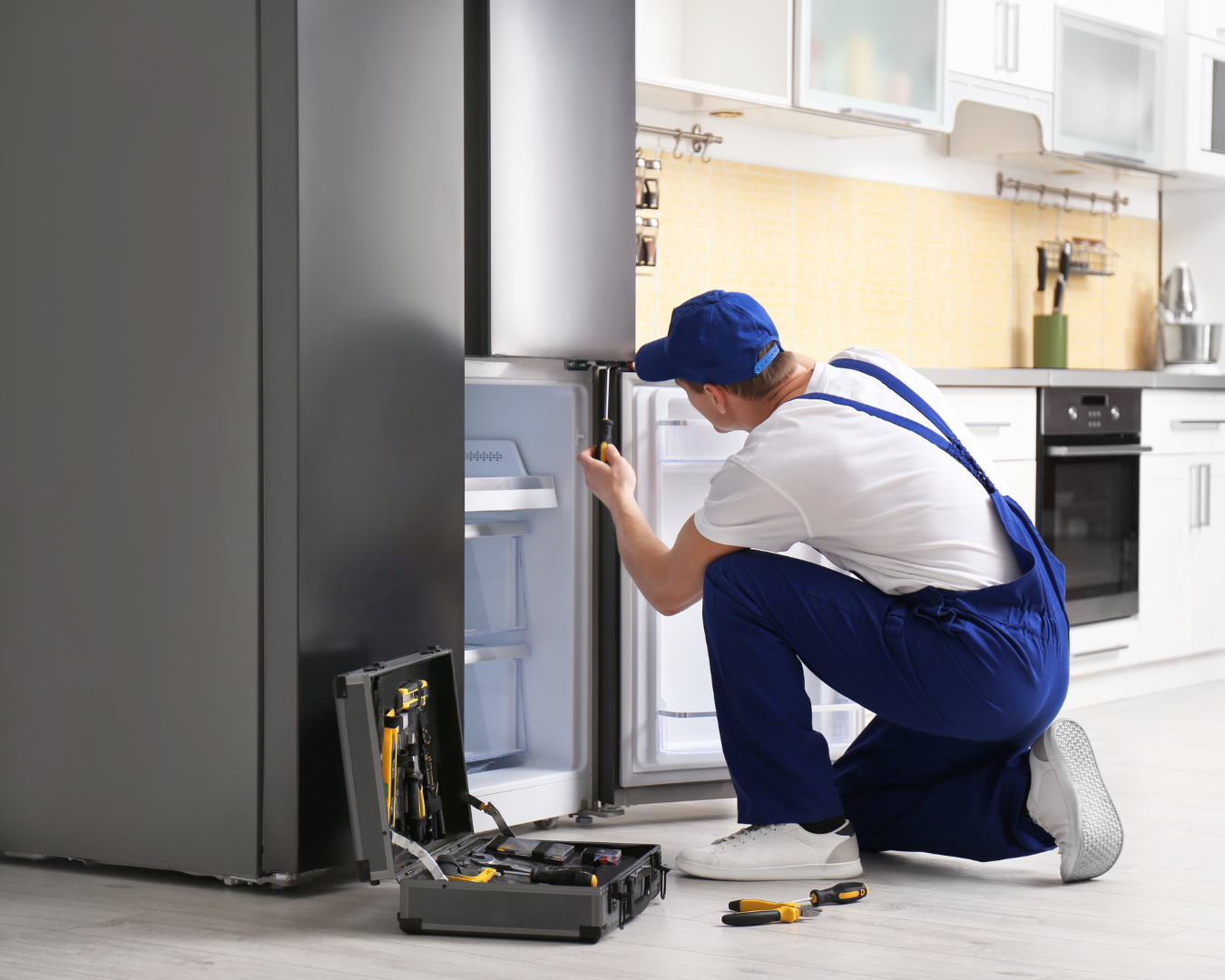
Refrigerator Troubleshooting Guide

Refrigerator Troubleshooting Guide | Fix Cooling Issues Now

Your refrigerator stops cooling. Food starts warming. You’re facing potential spoilage and expensive grocery loss. Before calling a repair technician, you can diagnose and often fix common refrigerator problems yourself in under an hour.

The Association of Home Appliance Manufacturers reports that 68% of refrigerator service calls in 2024 involved issues homeowners could resolve without professional help. This guide walks you through systematic troubleshooting steps that save time, money, and food. Learn how to identify problems, perform safe checks, and know when DIY ends and professional repair begins.

Table of Contents

  1. Why Your Refrigerator Stops Cooling
  2. How to Diagnose Fridge Not Cooling Issues
  3. Step-by-Step Refrigerator Troubleshooting Checks
  4. When Freezer Works But Fridge Doesn’t Cool
  5. Brand-Specific Troubleshooting Tips
  6. FAQ
  7. Conclusion

Why Your Refrigerator Stops Cooling

Refrigerators stop cooling for reasons ranging from simple power issues to complex compressor failures. Understanding common causes helps you troubleshoot efficiently and avoid unnecessary repair costs.

Refrigerators fail to cool due to dirty condenser coils, blocked air vents, incorrect temperature settings, faulty door seals, defrost system problems, or compressor malfunctions. Most cooling issues stem from maintenance neglect rather than component failure.

The Refrigeration Cycle Basics

Your refrigerator uses a closed-loop system where refrigerant absorbs heat inside the cabinet and releases it outside through condenser coils. The compressor pumps refrigerant through this cycle continuously. When any component in this system fails or gets obstructed, cooling stops.

Understanding this cycle helps you identify where problems occur. If condenser coils are covered in dust, heat can’t escape efficiently. If the evaporator coils ice over, cold air can’t circulate. Each symptom points to specific failure points in the refrigeration cycle.

Most Common Cooling Failure Causes

Dirty condenser coils cause approximately 35% of refrigerator cooling complaints, according to appliance repair data from 2024. Dust and pet hair accumulate on these coils, acting as insulation that prevents heat dissipation. This forces your compressor to work harder while achieving less cooling.

Door seal failures rank second among common causes. Worn or torn gaskets allow warm air infiltration, making your refrigerator run constantly while struggling to maintain temperature. A simple dollar bill test reveals seal problems: close the door on a bill and try pulling it out. If it slides easily, your seal needs replacement.

Common Cooling Failure Checklist:

  • Dirty condenser coils (35% of cases)
  • Faulty door gaskets allowing air leaks
  • Incorrect thermostat settings or sensor failure
  • Blocked air vents preventing circulation
  • Evaporator fan motor failure
  • Defrost system malfunction causing ice buildup
  • Compressor or start relay problems
  • Power supply interruptions

Temperature Warning Signs

Refrigerators should maintain 35-38°F in the fresh food compartment and 0°F in the freezer. Temperatures above 40°F risk bacterial growth and food spoilage. The USDA recommends discarding perishables left above 40°F for more than two hours.

Install an appliance thermometer to monitor actual temperatures rather than relying on control dial numbers. Many refrigerators lack accurate temperature displays. A $5 thermometer provides precise readings that help you catch problems before food spoils.

How to Diagnose Fridge Not Cooling Issues

Effective diagnosis follows a systematic approach from simplest to most complex causes. This methodology saves time and prevents unnecessary part replacements.

Diagnose refrigerator cooling problems by checking power supply first, then inspecting temperature settings, door seals, condenser coils, and airflow. Listen for compressor operation and fan motors. Use a thermometer to measure actual compartment temperatures.

The 5-Minute Power and Settings Check

Start with basics before investigating mechanical issues. Verify the refrigerator is plugged in and the outlet works by testing with another device. Check your home’s circuit breaker panel for tripped breakers. Power interruptions cause 12% of service calls, according to appliance repair statistics.

Examine temperature control settings next. Someone may have accidentally adjusted the thermostat. Most refrigerators have separate controls for the freezer and fresh food sections. Ensure neither is set to the warmest position or turned off completely.

Visual Inspection Protocol

Look inside both compartments for blocked air vents. Overloading shelves or pushing items against back walls blocks airflow from the freezer to the refrigerator. Cold air must circulate freely for proper cooling. Remove any items blocking vents and wait 24 hours to see if temperatures normalize.

Check door seals for cracks, tears, or deformation. Run your hand around the closed door perimeter feeling for cold air escaping. Inspect the magnetic seal for debris or food particles preventing proper closure. Clean gaskets with warm soapy water and ensure they lie flat against the cabinet.

Expert Tip: Place a flashlight inside the refrigerator and close the door in a darkened room. Light leaking around the door edges indicates seal failure requiring gasket replacement.

Listen for Operating Sounds

A working refrigerator makes specific sounds. You should hear the compressor humming or buzzing when running. Evaporator and condenser fans produce gentle whooshing sounds. Complete silence often indicates power or control board failure.

Loud clicking, buzzing, or grinding noises signal mechanical problems. A clicking sound every few minutes suggests the compressor tries to start but fails, indicating a bad start relay or capacitor. These components cost less than professional diagnosis, making them reasonable DIY replacement candidates.

Step-by-Step Refrigerator Troubleshooting Checks

Follow these checks in order, starting with the easiest fixes. This approach minimizes time investment while addressing the most common problems first.

Perform refrigerator troubleshooting by cleaning condenser coils, verifying airflow, testing door seals, checking the defrost system, inspecting fans, and testing the compressor. Complete each step before moving to the next for efficient diagnosis.

Step 1: Clean the Condenser Coils

Dirty condenser coils reduce cooling efficiency by up to 25%, forcing longer run times and higher energy bills. Coils located on the back panel or beneath the refrigerator collect dust, pet hair, and debris over time.

Unplug the refrigerator before cleaning. Use a vacuum with a brush attachment or a specialized coil cleaning brush to remove buildup. Work gently to avoid bending fins. Clean coils every six months in normal conditions, or quarterly if you have pets.

After cleaning, plug in the refrigerator and wait 24 hours before assessing improvement. Cooling may not normalize immediately as the system needs time to cycle refrigerant properly and stabilize temperatures.

Step 2: Verify Interior Airflow

Remove items blocking vents inside both compartments. Most refrigerators use a single evaporator in the freezer section, circulating cold air to the fresh food compartment through vents. Blocking these vents prevents proper cooling distribution.

Check for ice buildup on evaporator coils visible behind the back panel inside the freezer. Excessive frost indicates a defrost system problem. The automatic defrost cycle should prevent ice accumulation. If you see more than a thin frost layer, the defrost heater, thermostat, or timer may have failed.

Step 3: Test Temperature Controls and Sensors

Adjust the thermostat to a colder setting and listen for the compressor to start within 5-10 minutes. If nothing happens, the thermostat or control board may be faulty. If the compressor runs continuously without reaching proper temperature, the system has a refrigerant leak or compressor failure.

Some refrigerators use electronic sensors instead of mechanical thermostats. These sensors can fail or provide incorrect readings to the control board. Testing sensors requires a multimeter and technical knowledge. Consider professional diagnosis if you suspect sensor problems.

Mini-Case: A homeowner in Miami noticed their Sub-Zero refrigerator running constantly but not cooling properly. After checking power and settings with no improvement, they discovered the evaporator fan had stopped working. Replacing the fan motor for under $100 restored normal operation, avoiding a $400 service call.

Step 4: Inspect Fan Motors

Open the refrigerator door and locate the evaporator fan inside the freezer compartment, usually behind a panel. Listen for the fan running. If silent, the motor may have failed or become jammed with ice.

The condenser fan, located near the compressor at the back or bottom of the unit, must also operate when the compressor runs. A failed condenser fan causes overheating and cooling failure. Both fan motors are relatively inexpensive parts suitable for DIY replacement if you’re comfortable with basic appliance repair.

Step 5: Check the Compressor and Start Components

The compressor should feel warm to the touch when running and cycle on and off periodically. If it’s hot enough to cause discomfort, it’s overheating due to condenser coil blockage or failure. If it is completely cold and silent, it’s not receiving power or the start relay has failed.

Test the start relay by removing it and shaking it. If you hear rattling, the relay is bad and needs replacement. This part costs around $20-$40 and fixes many refrigerators that won’t start. Replacing a compressor costs $400-$800 including labor, making it often more economical to replace the entire refrigerator.

Refrigerator Troubleshooting Guide: Fix Common Cooling Problems Fast

Refrigerator Troubleshooting Guide: Fix Common Cooling Problems Fast

When Freezer Works But Fridge Doesn’t Cool

This specific problem indicates airflow issues between compartments rather than overall refrigeration failure. The solution usually involves simpler repairs than complete cooling loss.

When the freezer works but the refrigerator doesn’t cool, check for blocked air dampers, failed evaporator fans, or defrost system problems causing ice buildup that blocks airflow. The refrigeration system works, but cold air isn’t reaching the fresh food section.

Damper Control Problems

Most refrigerators regulate fresh food compartment temperature using a damper that controls airflow from the freezer. This damper opens and closes based on thermostat readings. A stuck damper prevents cold air from entering the refrigerator section.

Locate the damper control, usually on the back wall of the refrigerator compartment or between the two sections. Listen for the damper motor when adjusting temperature settings. If you hear no sound and feel no airflow, the damper or its motor has failed.

Evaporator Fan Failure Impact

The evaporator fan circulates air across the cooling coils and through both compartments. When this fan fails, the freezer may stay cold due to proximity to the evaporator, while the refrigerator warms because air isn’t circulating.

Access the evaporator fan by removing the back panel inside the freezer. The fan should spin freely by hand when unplugged. If it’s stuck or difficult to turn, the motor bearings have failed. Fan motors cost $50-$150 depending on your refrigerator model.

Expert Tip: Before replacing an evaporator fan motor, verify the fan blade isn’t simply jammed with ice. Defrost the freezer completely and see if the fan operates normally. Ice buildup from a faulty defrost system often mimics fan motor failure.

Air Duct Blockages

Food packages, ice cream containers, or frozen items can block air ducts that route cold air from the freezer to the refrigerator. These blockages prevent airflow even when all components function properly.

Remove all items from the freezer and locate air circulation paths. Check for obstructions in ducts, vents, and air channels. Reorganize freezer contents to maintain clear airflow. Wait 6-8 hours after clearing blockages to allow temperatures to stabilize.

Brand-Specific Troubleshooting Tips

Different manufacturers use varying designs requiring specialized troubleshooting approaches. Understanding brand-specific quirks helps you diagnose problems faster.

Whirlpool refrigerators often have adaptive defrost issues, Sub-Zero models experience control board sensitivity, Norcold RV refrigerators require level installation and proper ventilation. Each brand has common failure points that inform troubleshooting priorities.

Whirlpool Refrigerator Troubleshooting

Whirlpool refrigerators commonly experience adaptive defrost control board failures. The adaptive defrost system monitors compressor runtime and adjusts defrost cycles accordingly. When this system fails, the evaporator coils ice over, blocking airflow.

Reset the control board by unplugging the refrigerator for 5 minutes, then restoring power. If ice buildup occurs, manually defrost by unplugging for 24 hours with doors open. This temporary fix confirms defrost system problems requiring control board or defrost timer replacement.

Sub-Zero Refrigerator Considerations

Sub-Zero refrigerators use sophisticated electronic controls that require specific diagnostic procedures. The control panel displays error codes when problems occur. Consult your model’s manual to interpret codes, which directly identify failed components.

Sub-Zero models are built for longevity, often operating 20+ years with proper maintenance. However, their complexity means DIY repairs are limited. Control boards, sealed systems, and specialized components typically require factory-certified technicians. SubZero Repair Co. reports that attempting unauthorized repairs can void warranties and cause additional damage.

Norcold RV Refrigerator Troubleshooting

RV refrigerators operate on different principles than residential models, using absorption cooling rather than compressor-based systems. Norcold models can run on propane, 12V DC, or 120V AC power depending on configuration.

These refrigerators require level installation within 3 degrees for proper operation. If your RV is parked on an incline, the refrigerator won’t cool effectively. Check level before troubleshooting other issues. Verify propane supply and burner ignition if operating on gas mode. Clean the burner assembly annually for reliable operation.

Troubleshooting Priority by Brand:

  • Whirlpool: Check adaptive defrost system first
  • Sub-Zero: Review error codes on control panel
  • Samsung: Inspect ice maker and water dispenser connections
  • LG: Test linear compressor operation
  • Norcold RV: Verify level installation and power source
  • GE: Examine defrost thermostat and heater assembly

FAQ

How long should I wait after plugging in a refrigerator before it cools?

A refrigerator typically takes 4-6 hours to reach proper cooling temperature after being plugged in or reset. Allow 24 hours for full temperature stabilization before adding perishable food. Freezers may take longer, requiring up to 12-24 hours to reach 0°F. Avoid opening doors frequently during the initial cooling period.

Can I fix a refrigerator that’s not cooling without calling a technician?

Yes, you can fix many cooling issues yourself if they involve dirty condenser coils, incorrect settings, blocked vents, or faulty door seals. These repairs require no special tools or technical knowledge. However, compressor problems, refrigerant leaks, or sealed system failures require professional repair. Know your limits and prioritize safety.

Why is my refrigerator running but not getting cold?

A refrigerator that runs continuously without cooling likely has dirty condenser coils, a failed evaporator fan, low refrigerant due to leaks, or compressor problems. Start by cleaning coils and checking fan operation. If these components work properly, the sealed refrigeration system needs professional diagnosis and repair.

How do I know if my refrigerator compressor is bad?

A bad compressor may click repeatedly without starting, run extremely hot, make loud grinding noises, or fail to start at all. Test by listening for operation and feeling for warmth. If the compressor is cool and silent when the refrigerator should be running, check the start relay first before concluding compressor failure.

Conclusion

Refrigerator troubleshooting follows a logical sequence from simple fixes to complex repairs. Start with power, settings, and cleanliness before investigating mechanical components. Most cooling problems result from maintenance neglect rather than part failure, making regular coil cleaning and seal inspection essential preventive measures.

You can successfully diagnose and repair many refrigerator issues using basic tools and systematic checks. However, sealed system repairs involving refrigerants require EPA-certified technicians and specialized equipment. Know when DIY ends and professional service begins to avoid safety risks and additional damage.

Keep your refrigerator running efficiently by cleaning condenser coils every six months, checking door seals quarterly, and maintaining proper temperature settings. These simple maintenance tasks prevent most cooling failures and extend appliance life by years.

Need professional refrigerator diagnosis or repair? Schedule your appliance diagnostic today with SubZero Repair Co. at (800) 651-4528. Our factory-certified technicians provide same-day service across South Florida with genuine parts and comprehensive warranties on all repairs.

Cooling System Specialists | Radiator Repair Experts

Cooling system specialists diagnose and repair vehicle cooling components including radiators, water pumps, thermostats, hoses, and coolant systems. These technicians use pressure testing, temperature diagnostics, and leak detection to identify failures before they cause expensive engine damage requiring $1,500 to $2,500 in repairs.

According to 2024 ConsumerAffairs data, vehicle maintenance costs rose 25% between 2022 and June 2024, making preventive cooling system care essential. The average coolant leak repair costs $275, while complete radiator replacement ranges from $765 to $1,826. Regular service every 30,000 miles or two years protects your engine and prevents emergency breakdowns.

Table of Contents

  1. Water Pump Repair and Replacement Services
  2. Coolant Flush and Radiator Flush Procedures
  3. Temperature Gauge Diagnostics and System Checks
  4. Preventing Excess Heat and Engine Damage
  5. Understanding Cooling System Service Cost
  6. FAQ
  7. Conclusion

Water Pump Repair and Replacement Services

The water pump circulates coolant throughout your engine and radiator, making it critical for temperature regulation. When water pumps fail, engines overheat within minutes, causing catastrophic damage to internal components and requiring complete engine rebuilds costing thousands.

Water pump failure causes coolant circulation to stop, leading to rapid engine overheating and potential head gasket damage. Professional specialists diagnose pump bearing wear, seal leaks, and impeller damage before complete failure occurs.

Identifying Water Pump Problems

Cooling system specialists check for three primary water pump failure indicators: coolant leaks near the pump housing, grinding noises from worn bearings, and visible coolant seepage from the weep hole. These symptoms require immediate attention to prevent engine overheating.

The average vehicle age reached 12.5 years in 2023 according to industry data, meaning more cars need water pump replacement as components wear. Specialists use pressure testing to verify pump performance and identify leaks before they cause breakdowns.

Expert Tip: Schedule water pump inspection during every coolant flush service. Technicians can spot early bearing wear and seal deterioration while the system is already being serviced, saving diagnostic time and preventing emergency failures that leave you stranded.

Complete Water Pump Service Process

Water Pump Replacement Checklist:

  • Drain entire coolant system completely
  • Remove serpentine belt and accessories blocking access
  • Extract old water pump and clean mounting surface
  • Install new pump with fresh gasket or O-ring
  • Refill system with proper coolant mixture
  • Pressure test for leaks and verify proper circulation
  • Test drive and recheck coolant level after operation

Mini-Case: Jennifer’s 2015 Honda Accord showed minor coolant seepage during a routine oil change. Her cooling system specialist identified early water pump seal failure through pressure testing. Replacing the pump proactively for $450 prevented the $2,800 head gasket replacement she would have faced after complete pump failure caused overheating.

Coolant Flush and Radiator Flush Procedures

Regular coolant and radiator flushes remove rust, scale, and contaminants that restrict flow and reduce cooling efficiency. These services extend cooling system life and prevent corrosion damage that leads to expensive component replacement.

Cooling system flushes cost $100 to $250 on average and should occur every 30,000 miles or two years. The service removes old coolant, cleans internal passages, and refills with fresh antifreeze protecting against freezing and corrosion.

The Complete Flush Process

Cooling system specialists drain old coolant, add flushing solution, run the engine to circulate cleaner through all passages, then drain again before refilling with manufacturer-specified coolant. This process removes deposits that insulate metal surfaces and reduce heat transfer efficiency.

According to 2025 repair data, proper coolant maintenance prevents the $150 to $400 leak repairs caused by corroded radiator tubes, hoses, and connections. Fresh coolant contains rust inhibitors and lubricants protecting water pump seals and gaskets.

Coolant vs Antifreeze Understanding

Professional specialists know coolant prevents overheating while antifreeze stops freezing when engines sit idle. Modern extended-life coolants last up to 100,000 miles in newer vehicles, but older cars require service every 30,000 miles as recommended by manufacturers.

The coolant-to-water ratio matters, especially in extreme climates. Specialists mix coolant according to local conditions, adjusting ratios for areas experiencing below-freezing temperatures or extreme heat. Incorrect mixtures reduce protection and accelerate corrosion. 

Temperature Gauge Diagnostics and System Checks

Temperature gauge monitoring provides early warning of cooling system failures. Cooling system specialists use diagnostic tools to verify gauge accuracy, test thermostat operation, and identify problems before engines overheat and suffer permanent damage.

Professional system checks include pressure testing, thermostat function verification, radiator cap inspection, and coolant level analysis. These diagnostics cost $60 to $88 and identify problems before they cause the $275 average leak repair or worse.

Thermostat Testing and Replacement

Thermostats regulate coolant flow by opening at specific temperatures. Stuck-closed thermostats cause overheating, while stuck-open thermostats prevent engines from reaching operating temperature, reducing efficiency and increasing wear. Specialists test thermostat operation using temperature sensors and visual flow inspection.

Faulty thermostats create false temperature gauge readings, masking actual engine conditions. Professional diagnostics include comparing gauge readings with actual coolant temperatures using infrared thermometers and scan tool data.

Pressure Testing Protocol

Complete Pressure Test Checklist:

  • Attach pressure tester to radiator or coolant reservoir
  • Pump system to manufacturer-specified pressure (typically 15-18 PSI)
  • Monitor pressure gauge for 15 minutes checking for drops
  • Inspect all hoses, connections, and gaskets for leaks
  • Check radiator cap pressure release valve operation
  • Test for combustion gases in coolant indicating head gasket failure
  • Document findings and recommend necessary repairs

Preventing Excess Heat and Engine Damage

Excess heat destroys engines faster than any other factor. Cooling system specialists prevent overheating through proactive maintenance, identifying weak components, and fixing small problems before they escalate into catastrophic failures requiring complete engine replacement.

Engine overheating causes head gasket failure, warped cylinder heads, and cracked engine blocks. Prevention through regular cooling system service costs $100 to $355 annually versus $1,500 to $2,500 for major overheating damage repairs.

Early Warning Signs Recognition

Specialists train car owners to recognize overheating indicators including rising temperature gauges, steam from the hood, sweet coolant smell, and reduced heater output. These symptoms require immediate professional attention to prevent permanent engine damage.

Coolant leaks appear as puddles of green, yellow, red, or orange fluid under parked vehicles. According to 2025 repair statistics, addressing leaks early costs $150 to $400 compared to over $2,500 for head gasket replacement after overheating occurs.

Coolant Level Monitoring

Low coolant levels cause localized hot spots in engines, leading to warping and cracking. Cooling system specialists check reservoir levels, inspect for external leaks, and test for internal leaks indicating head gasket failure or cracked engine components.

Modern vehicles use pressurized cooling systems maintaining higher boiling points. When coolant levels drop, system pressure decreases, reducing boiling point and causing steam pockets that prevent proper heat transfer. Professional monitoring prevents these failures.

Understanding Cooling System Service Cost

Cooling system service pricing varies based on component condition, vehicle type, and repair complexity. Understanding cost factors helps vehicle owners budget for maintenance and make informed decisions about repair versus replacement options.

Basic coolant flush services cost $100 to $250, while coolant leak repairs average $275 but range from $50 to $1,000+ depending on severity. Complete radiator replacement runs $765 to $1,826 for most vehicles in 2025.

Service Cost Breakdown

Diagnostic testing costs $60 to $88 for coolant leak detection using pressure testing and UV dye. Minor repairs like hose clamp tightening or thermostat replacement stay under $150, while water pump replacement ranges $300 to $800 depending on vehicle accessibility and labor requirements.

Major repairs including head gasket replacement from overheating damage cost $1,500 to $2,500 according to current industry data. These expenses far exceed preventive maintenance costs, making regular service essential for long-term savings.

Warranty and Service Value

Reputable cooling system specialists provide warranties on parts and labor, typically covering 12 months or 12,000 miles. This protection ensures repairs meet quality standards and gives vehicle owners confidence in service investments.

Factory-certified technicians use manufacturer-approved procedures and genuine parts, maintaining vehicle warranties and ensuring proper repairs. While potentially costing more upfront, certified service prevents comebacks and protects against future failures.

FAQ

How often should I service my vehicle’s cooling system?

Service your cooling system every 30,000 miles or two years according to most manufacturer recommendations. Newer vehicles with extended-life coolant may wait up to 100,000 miles for first service. Regular maintenance prevents the $275 average leak repair and protects against expensive overheating damage.

What causes coolant to leak from my car?

Coolant leaks stem from corroded radiator tubes, cracked hoses, failed water pump seals, loose clamps, or damaged head gaskets. Repairs cost $50 to $1,000+ depending on location and severity. Professional pressure testing identifies exact leak sources, preventing misdiagnosis and unnecessary part replacement.

Can I drive with a coolant leak?

No. Driving with coolant leaks causes rapid overheating, potentially destroying your engine within minutes. Even small leaks reduce system pressure and coolant levels, creating hot spots that warp cylinder heads and crack engine blocks. Stop immediately when temperature gauges rise and call for service.

Why is my car overheating if the coolant is full?

Full coolant with overheating indicates thermostat failure, water pump malfunction, clogged radiator passages, or combustion gases entering the cooling system from head gasket failure. Professional diagnostics using pressure testing and temperature monitoring identify the specific cause requiring repair costing $150 to $2,500.

Conclusion

Cooling system specialists provide essential services protecting engines from overheating damage costing thousands to repair. Regular coolant flushes every 30,000 miles prevent the corrosion and deposits causing leaks, while proactive water pump and thermostat replacement stops failures before they strand drivers. Professional pressure testing and diagnostics identify problems early when repairs cost $150 to $400 instead of $1,500 to $2,500 for head gasket replacement.

With vehicle maintenance costs rising 25% between 2022 and 2024, preventive cooling system care delivers significant long-term savings. Trusted specialists use manufacturer-approved procedures, genuine parts, and warranty-backed service ensuring reliable repairs that extend engine life and prevent emergency breakdowns.Get professional cooling system repair and radiator service from Sub-Zero Repair Services, trusted specialists keeping your engine cool and performance optimized.

Refrigerator Leak Experts | Fix & Prevent Water Leaks

Refrigerator Leak Experts | Fix & Prevent Water Leaks

Refrigerator leak experts diagnose and repair water damage quickly, preventing costly floor damage and food spoilage. Whether you’re dealing with pooling water under your Sub-Zero or moisture inside your freezer compartment, understanding leak sources and professional repair options protects your investment and maintains food safety.

The average refrigerator repair costs between $200 and $1,300 in 2025, with leak fixes typically ranging from $100 to $440 according to Angi data. Identifying problems early and knowing when DIY solutions work versus calling certified technicians saves money while preventing secondary water damage that can cost thousands in flooring and cabinet repairs.

Table of Contents

  1. Causes and Costs of Refrigerator Leaks
  2. Troubleshooting and DIY Fixes for Common Refrigerator Leaks
  3. When to Call Refrigerator Leak Experts and Choosing the Right Service
  4. Preventative Maintenance and Professional Tips to Avoid Future Leaks
  5. FAQ
  6. Conclusion

Causes and Costs of Refrigerator Leaks

Refrigerator leaks stem from multiple sources ranging from simple drain clogs to complex sealed system failures. Understanding common causes helps homeowners determine repair urgency and budget appropriately for professional service when DIY fixes prove insufficient.

Clogged defrost drains cause 60% of refrigerator leaks, followed by faulty water lines, damaged door gaskets, and cracked drain pans. Repair costs range from $100 for drain cleaning to $1,300 for compressor leaks, with average repairs costing $650 in 2025.

Common Leak Sources

Defrost drain clogs represent the primary culprit behind refrigerator water leaks. During automatic defrost cycles, frost melts off evaporator coils and should drain through a small tube into a pan beneath the unit. Food particles, ice buildup, or debris block this pathway, causing water to back up into the freezer floor and eventually leak onto your kitchen floor.

Water line issues affect refrigerators with ice makers and water dispensers. Cracked plastic tubing, loose connections, or failed inlet valves release water behind or beneath the unit. The average water line repair costs $140 to $200 according to HomeGuide 2023 data, making this a moderate expense for most homeowners facing leak problems.

Mini-Case Example: Sarah in Miami discovered water pooling beneath her Sub-Zero refrigerator every morning. A certified technician identified a clogged defrost drain filled with coffee grounds and fruit debris. The 45-minute repair cost $275 and included drain line flushing plus preventative maintenance guidance. Sarah avoided $3,000 in potential hardwood floor damage by addressing the issue within 72 hours of noticing moisture.

Door gasket deterioration allows warm, humid air infiltration that creates excess condensation and frost buildup. This secondary moisture overwhelms drainage systems during defrost cycles. Gasket replacement costs $50 to $440 depending on refrigerator size and accessibility, with labor comprising the majority of expenses per Consumer Affairs July 2024 analysis.

Repair Costs and Damage Statistics

Refrigerator repair costs in 2025 average $650 but span from $200 to $1,300 based on problem severity and parts required. According to Homewyse’s July 2025 Cost Calculator, basic leak repairs start at $407 and reach $576 for standard service calls including diagnosis and minor fixes.

Compressor-related leaks represent the costliest repairs at $700 to $1,250 installed per HomeGuide data. These sealed system failures require EPA-certified technicians to handle refrigerants legally. Most refrigerators approaching their 13-year average lifespan (per National Association of Home Builders research) justify replacement rather than expensive compressor work.

Expert Tip: Apply the 50% rule when evaluating repair versus replacement decisions. If repair costs exceed half the price of a comparable new refrigerator, replacement delivers better long-term value. For a $2,000 refrigerator, repairs costing more than $1,000 suggest replacement makes financial sense, especially for units over 10 years old.

Secondary water damage escalates total costs significantly beyond appliance repair alone. Persistent leaks damage hardwood flooring ($3 to $10 per square foot for refinishing), promote mold growth requiring professional remediation ($500 to $6,000), and warp cabinets necessitating replacement. Liberty Home Guard’s 2024 appliance data shows leak-related property damage averages $2,400 when homeowners delay repairs beyond one week.

Troubleshooting and DIY Fixes for Common Refrigerator Leaks

Simple DIY repairs resolve many refrigerator leaks without professional service. Homeowners comfortable with basic tools can address defrost drain clogs, level adjustments, and drain pan issues, saving $150 to $300 in service call fees while restoring proper function quickly.

Clear clogged defrost drains using turkey basters filled with warm water, check refrigerator level ensuring proper 0.25 to 0.5 inch backward tilt, inspect door gaskets for tears, and examine drain pans for cracks. These DIY steps resolve 70% of common leak issues without technician intervention.

Defrost Drain and Drain Pan Steps

Locating the defrost drain requires checking your owner’s manual or searching manufacturer websites for model-specific guidance. Most side-by-side and bottom-freezer models position the drain at the back of the freezer compartment behind a removable panel. Top-freezer units typically place drains along the floor near the rear wall.

Clear blocked drains by unplugging the refrigerator and removing all frozen food to coolers. Use a turkey baster filled with warm (not boiling) water to flush debris from the drain opening. A flexible zip tie or pipe cleaner inserted gently 4 to 6 inches dislodges stubborn clogs without damaging plastic tubing. Avoid metal wires that puncture drain tubes and create permanent leaks requiring professional repair.

Step-by-Step Defrost Drain Cleaning:

  1. Unplug refrigerator and transfer food to coolers
  2. Remove freezer shelves and access rear panel if needed
  3. Locate small drain hole in freezer floor or rear wall
  4. Fill turkey baster with warm water mixed with 1 teaspoon baking soda
  5. Gently squeeze water into drain hole, repeating 5 to 7 times
  6. Listen for water trickling into drain pan beneath refrigerator
  7. Reassemble panels, plug in unit, and monitor for 24 hours

Drain pan inspection requires pulling the refrigerator away from the wall and accessing the bottom front or rear area. Slide out the shallow plastic pan and examine for cracks, warping, or overflow. Replacement pans cost $125 to $225 installed but represent simple DIY fixes for handy homeowners purchasing correct OEM parts through manufacturer service centers.

Water Filter and Water Line Fixes

Water filter replacement prevents leaks caused by overpressure when filters clog with sediment and mineral deposits. Replace filters every six months per manufacturer guidelines, or sooner if water flow decreases noticeably. Sub-Zero and premium brands use proprietary filters costing $30 to $60 each, while universal filters for standard models range $15 to $35.

Inspect water line connections at the back of your refrigerator by unplugging the unit and carefully pulling it forward. Check plastic or copper tubing for cracks, loose compression fittings, or signs of moisture. Tighten connections using adjustable wrenches, being careful not to overtighten plastic fittings that crack under excessive pressure.

Tools Needed for DIY Water Line Inspection:

  • Adjustable wrench or channel locks
  • Flashlight for examining rear connections
  • Towels for wiping up residual water
  • Replacement compression fittings (1/4 inch standard size)
  • Teflon tape for threaded connections
  • Turkey baster for testing drain flow

Mini-Case with Tools: David’s Whirlpool refrigerator leaked from the rear water line connection. Using a $12 adjustable wrench and $3 replacement compression fitting from Home Depot, he tightened the loose connection in 15 minutes. Total DIY repair cost: $15 versus the $200 minimum service call quote he received. David now checks connections quarterly during routine condenser coil cleaning.

Proper refrigerator leveling prevents drainage issues that cause leaks. Use a bubble level on top of your unit checking side-to-side positioning first. Adjust front leveling legs until perfectly level laterally. Then create a slight backward tilt by raising front legs an additional 0.25 to 0.5 inch, ensuring water drains toward the rear drain hole rather than pooling at the front of freezer compartments.

When to Call Refrigerator Leak Experts and Choosing the Right Service

Professional refrigerator leak experts possess diagnostic equipment, manufacturer training, and parts access that surpass DIY capabilities for complex repairs. Recognizing situations requiring certified technicians prevents improper repairs that void warranties or cause additional damage needing costlier fixes.

Call refrigerator leak experts when leaks persist after DIY attempts, refrigerant odors appear, sealed system components fail, or premium brands like Sub-Zero require factory-certified service. Professional diagnosis costs $70 to $150 but often applies toward repair bills and saves time versus trial-and-error approaches.

Signs You Need a Refrigerator Leak Expert

Repeated leaks after DIY drain cleaning indicate deeper problems requiring professional diagnosis. Frozen drain tubes need specialized thawing techniques and may require defrost heater repairs costing $120 to $400. Licensed technicians use thermal imaging to locate hidden leaks and test defrost system components systematically.

Refrigerant leaks demand EPA-certified professionals legally authorized to handle R-134a, R-600a, or R-290 coolants. Chemical odors, excessive compressor runtime, and inadequate cooling despite proper temperature settings signal sealed system failures. According to Consumer Affairs 2024 data, refrigerant leak repairs cost $100 to $440 but often indicate impending compressor failure in units over 8 years old.

Expert Tip: Never attempt sealed system repairs as DIY projects. EPA regulations prohibit homeowners from purchasing or handling refrigerants without 608 certification. Violations carry fines up to $37,500 per incident. Additionally, improper refrigerant handling causes permanent compressor damage requiring $700 to $1,250 replacement costs versus simple leak repairs.

Premium refrigerator brands including Sub-Zero, Wolf, and Thermador require factory-certified technicians for warranty coverage and optimal repairs. These technicians receive manufacturer-specific training, access proprietary diagnostic software, and stock genuine OEM parts. Sub-Zero Repair Services offers same-day service across South Florida with 24/7 availability including weekends and holidays, backed by over 30 years of specialized experience.

Checklist to Select Reliable Repair Service

Choosing qualified refrigerator leak experts protects against substandard repairs that create recurring problems. Verify credentials, compare pricing structures, and confirm parts availability before scheduling service calls that may require return visits adding unnecessary expenses.

Service Selection Checklist:

  • Factory certification for your refrigerator brand (especially Sub-Zero, Viking, Thermador)
  • EPA 608 certification for sealed system and refrigerant work
  • Minimum 5 years of commercial appliance repair experience
  • Same-day or next-day service availability for urgent leaks
  • Transparent pricing with written estimates before work begins
  • Genuine OEM parts inventory rather than aftermarket substitutes
  • Labor and parts warranty (minimum 90 days on repairs)
  • Licensed, bonded, and insured coverage protecting homeowners
  • Positive online reviews on Google, Yelp, and manufacturer sites
  • 24/7 emergency service for critical failures

Mini-Case Comparison: Jennifer received three quotes for her leaking Sub-Zero refrigerator. Company A quoted $325 with generic parts and next-week availability. Company B offered $450 using genuine Sub-Zero parts with same-day service and factory certification. Company C bid $280 but lacked EPA certification for potential sealed system work. Jennifer chose Company B, which diagnosed and repaired a defrost heater and drain issue in one visit, preventing callback charges that Company A’s generic parts often require.

Transparent pricing prevents surprise charges after technicians complete diagnosis. Request written estimates detailing diagnostic fees, labor rates ($50 to $125 per hour per Agni 2025 data), parts costs, and service call minimums ($70 to $200). Reputable companies like Sub-Zero Repair Services provide detailed estimates before starting work and never charge extra for weekend or holiday emergency service.

Refrigerator Leak Experts | Fix & Prevent Water Leaks

Refrigerator Leak Experts | Fix & Prevent Water Leaks

Preventative Maintenance and Professional Tips to Avoid Future Leaks

Regular refrigerator maintenance extends appliance lifespan from the typical 10 to 15 years toward 20-year performance while reducing leak risks by 60% according to Liberty Home Guard’s 2024 appliance longevity research. Simple monthly and quarterly tasks prevent expensive emergency repairs and preserve manufacturer warranty coverage.

Clean condenser coils every 6 months, replace water filters quarterly, inspect door gaskets monthly, and flush defrost drains annually. Maintain refrigerator temperature at 37°F and freezer at 0°F for optimal performance while reducing frost buildup that causes drainage system clogs.

Maintenance Schedule and Checklist

Monthly maintenance tasks take 15 minutes and catch small issues before they escalate into leaks. Wipe door gaskets with warm soapy water removing food residue and checking for tears or hardening. Test seal integrity using the dollar bill test: close a dollar bill in the door and try pulling it out. If it slides easily, gasket replacement becomes necessary.

Quarterly tasks include water filter replacement and drainage system inspection. Mark filter replacement dates on your calendar or use smart refrigerator apps that track usage automatically. Check for water pooling inside crisper drawers or along the rear wall, indicating early drainage problems requiring attention before leaks develop.

Comprehensive Maintenance Checklist:

  • Monthly: Clean door gaskets, check for interior moisture, wipe spills immediately
  • Quarterly: Replace water filters, vacuum front grille area, inspect door seal integrity
  • Every 6 months: Clean condenser coils using brush or vacuum, check drain pan for cracks
  • Annually: Flush defrost drain with warm water and baking soda solution, verify proper tilt
  • Every 2 years: Professional inspection for refrigerators over 8 years old
  • As needed: Defrost manual-defrost freezers before ice exceeds 1/4 inch thickness

Condenser coil cleaning improves efficiency by 30% and prevents overheating that accelerates component failures. Access coils at the rear or beneath front grilles depending on your model. Use a refrigerator coil brush ($8 to $15 at hardware stores) or vacuum with brush attachment, working carefully to avoid bending delicate fins that reduce cooling capacity.

Expert Tips and Unique Framework

The Three-Zone Leak Prevention System provides original methodology not found in standard manufacturer guidance. This framework divides refrigerator leak prevention into Drainage Zone, Seal Zone, and Supply Zone monitoring, creating comprehensive protection against all leak types through systematic inspection.

Drainage Zone maintenance focuses on defrost drains, drain pans, and proper appliance leveling. Check refrigerator tilt quarterly using a bubble level, maintaining 0.25 to 0.5 inch front-to-back tilt that encourages proper water flow. Flush drains annually even without visible problems, preventing gradual debris accumulation that creates sudden clogs.

Seal Zone protocols address door gaskets, water line connections, and evaporator tube fittings. Photograph all connection points during installation or when pulling refrigerators forward for cleaning. These reference photos help identify changes in water line positioning, unusual moisture patterns, or gasket deterioration over time.

Install water leak detectors beneath refrigerators with ice makers or water dispensers. These $20 to $40 devices sound alarms when moisture appears, alerting homeowners to leaks within minutes rather than hours or days. Early detection prevents secondary water damage costing thousands in flooring and cabinet repairs while protecting the 13-year average refrigerator lifespan by enabling prompt professional service.

Supply Zone management covers water filter replacement, inlet valve inspection, and temperature monitoring. Maintain refrigerator temperatures between 35°F and 38°F, with 37°F representing optimal performance. Higher temperatures increase compressor runtime and frost accumulation, while lower settings create unnecessary ice buildup that overwhelms drainage systems during defrost cycles.

FAQ

What causes a refrigerator to leak water from the bottom?

Bottom leaks typically stem from clogged defrost drains or cracked drain pans. During automatic defrost cycles, water should drain into a pan beneath the unit for evaporation. Food particles or ice blockages cause water to overflow into the freezer floor and eventually leak externally. Check drain accessibility and pan condition before calling professionals.

How much does it cost to fix a leaking Sub-Zero refrigerator?

Sub-Zero leak repairs range from $275 for defrost drain cleaning to $800 for water line replacements, with sealed system repairs costing $1,000 to $1,500. Sub-Zero Repair Services provides transparent pricing with same-day availability across South Florida, using only genuine parts backed by factory certification and comprehensive warranties on labor and components.

Can I fix a refrigerator leak myself or do I need professionals?

Simple drain clogs, level adjustments, and drain pan replacements work as DIY projects for handy homeowners. However, refrigerant leaks, sealed system repairs, and premium brand service require certified technicians. EPA regulations prohibit unlicensed refrigerant handling, and manufacturer warranties often mandate factory-certified service for coverage. Assess your skills honestly before attempting repairs.

How often should I clean my refrigerator’s defrost drain?

Clean defrost drains annually as preventative maintenance, or immediately when noticing interior moisture, ice buildup on freezer floors, or water pooling beneath the unit. High-usage households with children or frequent fresh produce storage may require cleaning every 6 months due to increased debris. Use turkey basters with warm water and baking soda for safe, effective cleaning.

Conclusion

Refrigerator leak experts provide essential services protecting premium appliances like Sub-Zero while preventing costly water damage to homes. Understanding common leak sources, knowing DIY fix limitations, and selecting certified technicians ensures quick resolution and extended appliance lifespan beyond typical 13-year averages.

The 2025 average repair cost of $650 proves significantly less expensive than $2,000 to $8,000 refrigerator replacements. Implementing monthly maintenance routines, addressing small issues promptly, and calling qualified professionals for complex repairs maximizes your investment. Remember the Three-Zone Leak Prevention System monitoring drainage, seals, and supply components systematically for comprehensive protection.

Need immediate help with your leaking refrigerator? Schedule a visit with Sub-Zero Repair Services and have our certified technicians fix your leaking refrigerator today. Call (800) 651-4528 for same-day service across South Florida, available 24/7 including weekends and holidays.

DIY Refrigerator Repair

Why DIY Refrigerator Repair Isn’t Always the Best Option

When your refrigerator starts acting up, the first thought that might cross your mind is to fix it yourself. With a wealth of DIY guides and YouTube tutorials available at your fingertips, tackling the repair on your own is tempting. However, DIY refrigerator repair is only sometimes the best option; in some cases, it can lead to more problems than it solves.

In this article, we’ll explore why DIY refrigerator repair may not be the wisest choice and why professional help from Sub-Zero Service Centers is often necessary to restore your appliance to optimal working conditions.

The Complexity of Modern Refrigerators

Refrigerators have come a long way from simple appliances with basic cooling functions. Today, they are sophisticated machines equipped with advanced technology, sensors, and electronic components. From intelligent features like temperature control via apps to energy-efficient cooling systems, modern refrigerators are far more complex than they used to be.

This complexity means diagnosing and repairing issues often requires a deep understanding of refrigeration systems and electronics. While some DIY enthusiasts may feel confident handling basic repairs, it’s easy to misdiagnose the problem without proper training or cause further damage. This is why Sub-Zero Service Centers is your best bet for reliable and professional repair.

Common DIY Mistakes

One of the most significant risks of DIY refrigerator repair is the potential for common mistakes that can worsen the situation. For example, many people attempt to fix a leaking refrigerator by tightening a loose connection or replacing a part without addressing the root cause. This can lead to recurring issues and even cause the fridge to break down completely.

Another common mistake is handling the refrigerant. Refrigerants are chemicals used to cool the refrigerator’s interior and must be handled carefully. DIY attempts to recharge or replace refrigerants can be dangerous, as these chemicals are harmful to the environment and require specialized equipment to manage safely.

Additionally, tampering with a refrigerator’s electrical components without proper knowledge can lead to short circuits, electrical fires, or permanent damage to the appliance. These mistakes put your refrigerator at risk and pose safety hazards to you and your household. Sub-Zero Service Centers employs trained professionals who can avoid these common pitfalls and ensure the repair is done right.

Refrigerator Repair

Voiding the Warranty

Most refrigerators come with a manufacturer’s warranty that covers repairs and replacements for a certain period. However, attempting a DIY repair can void this warranty. Manufacturers typically stipulate that authorized technicians must carry out any repairs to maintain the warranty coverage.

By opting for DIY repair, you risk losing warranty protection, which means that any future repairs or replacements will be at your own expense. In many cases, a professional repair costs far less than the potential cost of replacing an entire refrigerator that could have been covered under warranty. Trust Sub-Zero Service Centers to handle your refrigerator repairs professionally and maintain your warranty protection.

The Importance of Accurate Diagnosis

A key reason professional refrigerator repair is often the best option is the importance of accurate diagnosis. Refrigerator issues can stem from various causes, including faulty thermostats, compressor problems, electrical issues, or blocked vents. Identifying the exact cause of the problem requires expertise and the right diagnostic tools.

Professional technicians, such as those at Sub-Zero Service Centers, are trained to perform thorough inspections and use specialized equipment to pinpoint the problem. This ensures that the repair addresses the underlying issue rather than just the symptoms. An accurate diagnosis not only leads to a more effective repair but also helps prevent future problems from arising.

Long-Term Cost Considerations

While DIY repair seems like a cost-effective solution in the short term, it can lead to higher costs in the long run. If a DIY repair is unsuccessful or causes additional damage, you may spend more on subsequent repairs or even need to replace the refrigerator.

Professional refrigerator repairs, on the other hand, are backed by warranties and guarantees. If the problem persists after the repair, the technician will return to fix it at no additional cost. Investing in professional service from Sub-Zero Service Centers ensures that the job is done right the first time, saving you time, money, and stress in the long run.

Safety Concerns

Safety is another critical factor to consider when repairing DIY refrigerators. Refrigerators contain various components that can pose safety risks if not handled properly. For example, the compressor comprises pressurized refrigerants that can cause injury if released improperly. Electrical components also pose a risk of shock or fire if tampered with by someone without the necessary knowledge.

Professional technicians are trained to handle these risks safely. They follow industry standards and safety protocols to ensure the repair is carried out without risking anyone. You protect yourself and your household from potential hazards by choosing Sub-Zero Service Centers for your repair services.

When to Call a Professional

Knowing when to call a professional is key to avoiding the pitfalls of DIY refrigerator repair. Here are some signs that it’s time to seek expert help:

  • Persistent Issues: If your refrigerator continues to malfunction despite your attempts to fix it, it’s time to call a professional. Persistent issues often indicate a deeper problem that requires expert attention.
  • Complex Problems: If the problem involves the compressor, refrigerant, or electrical components, it’s best to leave it to a professional. These are complex issues that require specialized knowledge and equipment.
  • Warranty Coverage: If your refrigerator is still under warranty, always contact an authorized repair technician. This ensures that your warranty remains valid and you’re covered for future issues.
  • Safety Concerns: If you’re unsure about the safety of performing a repair, it’s better to be safe than sorry. A professional technician can handle the repair safely and efficiently.

Conclusion

While the appeal of DIY refrigerator repair is understandable, it’s essential to recognize the limitations and risks involved. Modern refrigerators are complex machines that require specialized knowledge for accurate diagnosis and effective repair. By opting for professional repair services from Sub-Zero Service Centers, you ensure that your refrigerator is restored to full functionality without risking further damage or safety hazards. In the long run, professional repair is often the more cost-effective and reliable.

FAQs

Why should I choose Sub-Zero Service Centers over DIY repairs?

Sub-Zero Service Centers provides expert technicians who can accurately diagnose and repair your refrigerator, ensuring long-term functionality and safety.

What are common mistakes people make when doing DIY refrigerator repairs?

Common mistakes include misdiagnosing the problem, mishandling refrigerants, and tampering with electrical components without proper knowledge.

Will a DIY repair void my refrigerator’s warranty?

Yes, attempting DIY repairs can void your warranty. Repairs are best done by authorized professionals like those at Sub-Zero Service Centers.

How can professional repair services save me money in the long run?

Professional repairs are more likely to be successful and are often backed by warranties, reducing the risk of recurring issues and additional costs.

Is it safe to perform DIY refrigerator repairs?

DIY repairs can pose safety risks. Sub-Zero Service Centers technicians are trained to handle repairs safely and efficiently, protecting you and your household.

If your refrigerator is malfunctioning, don’t risk further damage or voiding your warranty with a DIY repair.

Trust the experts at Sub-Zero Service Centers to get your refrigerator back to optimal working condition. Our skilled technicians have the knowledge and tools to handle any repair, ensuring your appliance is restored safely and efficiently. Contact Sub-Zero Service Centers today to schedule your repair and experience the peace of mind that comes with professional service. We’re here to help you keep your refrigerator running smoothly for years!

Freezer Maintenance Service

Finding a Reliable Freezer Maintenance Service: A Comprehensive Guide

When it comes to preserving perishable goods, few appliances are as vital as freezers. Whether you run a busy restaurant, manage a grocery store, or rely on a household freezer for food storage, maintaining your freezer in optimal condition is crucial. A malfunctioning freezer can lead to spoiled food, health risks, and significant financial losses. That’s why finding a reliable freezer maintenance service, such as Sub-Zero Repair, is essential. In this comprehensive guide, we will explore the key factors to consider when selecting a maintenance service, regular maintenance’s importance, and professional assistance’s benefits.

Why Regular Freezer Maintenance is Crucial

Freezers are complex machines that operate under constant stress, often running 24/7 to keep food at the proper temperature. Over time, wear and tear can affect the performance of your freezer, leading to potential breakdowns. Regular maintenance is not just about preventing costly repairs; it’s about ensuring that your freezer operates efficiently, which can save energy and extend its lifespan.

  1. Preventive Care: Routine maintenance allows technicians to identify and address minor issues before they escalate into major problems. This proactive approach can prevent unexpected breakdowns and costly repairs.
  2. Energy Efficiency: A well-maintained freezer runs more efficiently, reducing energy consumption. This not only lowers your utility bills but also minimizes your environmental footprint.
  3. Extended Lifespan: Like any other appliance, freezers have a limited lifespan. However, with proper care and maintenance, you can significantly extend the life of your freezer, getting the most out of your investment.

Freezer Maintenance

Key Factors to Consider When Choosing a Freezer Maintenance Service

Selecting the exemplary freezer maintenance service requires careful consideration. Here are some critical factors to keep in mind:

  1. Expertise and Experience: The first thing to look for in a maintenance service is expertise. Technicians should be well-trained and experienced in handling various freezer brands and models, including those serviced by Sub-Zero Repair. Ask about their certifications and training to ensure they are qualified to work on your specific unit.
  2. Availability and Response Time: Freezers can malfunction anytime, and when they do, you need a service that can respond quickly. Look for a maintenance service offering emergency repairs and a reputation for prompt response times.
  3. Reputation and Reviews: Before choosing a service, do some research. Look for online reviews and testimonials from previous customers. With a strong reputation, a service like Sub-Zero Repair is more likely to provide reliable, high-quality work.
  4. Cost and Transparency: Maintenance costs vary widely, so getting a detailed estimate is essential before committing to a service. A reliable company should be transparent about its pricing, with no hidden fees. Compare quotes from different providers to ensure you’re getting a fair deal.
  5. Warranty and Guarantees: A good maintenance service will stand by its work. Look for providers that offer warranties on their repairs and maintenance services. This guarantees that you will not be left out in the cold if something goes wrong after the service.
  6. Comprehensive Services: Ideally, you want a maintenance service offering a wide range beyond just repairs. This includes routine inspections, cleaning, and even parts replacement. A one-stop shop for all your freezer needs is more convenient and ensures consistent service quality.


The Maintenance Process: What to Expect

Understanding the maintenance process can help you prepare and get the most out of the service. Here’s a step-by-step overview of what a typical freezer maintenance session should include:

  1. Inspection and Diagnostics: The first step is thoroughly inspecting the freezer. Technicians will check for signs of wear and tear, leaks, or unusual noises and test the temperature control system to ensure it’s functioning correctly.
  2. Cleaning: Over time, dust and debris can accumulate on the coils and other components of the freezer, affecting its efficiency. Regular cleaning is essential to keep the freezer running smoothly. Technicians will clean the coils, fans, and other vital parts to prevent blockages or overheating.
  3. Refrigerant Check: The refrigerant is the lifeblood of your freezer, and any issues can lead to severe problems. Technicians will check the refrigerant levels and look for any leaks. If necessary, they will recharge the refrigerant to the proper levels.
  4. Component Testing: Key components such as the compressor, evaporator, and condenser will be tested to ensure they operate correctly. If parts are worn out or damaged, the technician may recommend replacement to prevent future issues.
  5. Performance Evaluation: After the maintenance, the technician will test the freezer to ensure it’s running at peak efficiency. This includes checking the temperature, listening for unusual noises, and ensuring tight door seals.
  6. Final Report: A reputable maintenance service like Sub-Zero Repair will provide a detailed report of the work performed, including any issues found and recommendations for future care. This report can help track the condition of your freezer over time.


The Benefits of Professional Freezer Maintenance Services

While the owner can perform some basic maintenance tasks, there are several benefits to hiring a professional service:

  1. Expertise: Professional technicians have the training and experience to handle even the most complex freezer issues. They can quickly diagnose problems and provide practical solutions, saving you time and money in the long run.
  2. Convenience: Maintaining a freezer can be time-consuming, especially for commercial units. Hiring a professional service lets you focus on your business while the experts care for maintenance.
  3. Safety: Working with refrigerants and electrical components can be dangerous if you are not adequately trained. Professionals have the knowledge and tools to perform maintenance safely, reducing the risk of injury or damage.
  4. Cost Savings: While professional maintenance services cost money, they can save you money in the long run. You can reduce repair costs and lower energy bills by preventing major breakdowns and improving energy efficiency.


Ensuring Your Freezer Stays in Top Condition

A reliable freezer maintenance service, like Sub-Zero Repair, is essential for anyone who depends on their freezer for food preservation. By choosing a service with the right expertise, experience, and commitment to quality, you can ensure that your freezer operates efficiently and lasts for years. Regular maintenance not only prevents costly repairs but also enhances the performance and longevity of your appliance. Don’t wait for a breakdown to take action—schedule routine maintenance today to protect your investment.

FAQs

How often should I schedule freezer maintenance?

It’s recommended to schedule maintenance at least once a year, depending on usage.

Can Sub-Zero Repair service all freezer brands?

Yes, Sub-Zero Repair technicians are trained to service various freezer brands.

What are common signs that my freezer needs maintenance?

Unusual noises, inconsistent temperatures, and frost buildup are common indicators.

Is professional freezer maintenance worth the cost?

Yes, it can save you money in the long run by preventing significant breakdowns and improving energy efficiency.

Does Sub-Zero Repair offer emergency repair services?

Yes, Sub-Zero Repair offers emergency repairs with prompt response times.

Keep Your Freezer Running Smoothly with Professional Maintenance

Don’t let a malfunctioning freezer disrupt your business or home. Ensure your freezer remains in peak condition with expert maintenance from Sub-Zero Repair. Our certified technicians have the knowledge and tools to handle all your freezer maintenance needs, from routine inspections to emergency repairs.

Why Choose Sub-Zero Repair?

  • Expertise You Can Trust
  • Prompt and Reliable Service
  • Comprehensive Care
  • Transparent Pricing

Take Action Today!

Don’t wait for a costly breakdown to realize the importance of regular maintenance. Schedule your freezer maintenance with Sub-Zero Repair today and enjoy the peace of mind of knowing your appliance is in top condition. Whether you need routine service or immediate assistance, we’re here to help.

Contact Us Now!

Call (800) 651-4528 or visit subzerorepairco.com to book your freezer maintenance service with Sub-Zero Repair. Protect your investment, save on energy costs, and keep your freezer performing at its best. We’re ready to assist you with all your freezer maintenance needs—reach out today!

Refrigerator Repair

When to Call a Refrigerator Repair Technician: Signs It’s Beyond DIY

Is your refrigerator not keeping your food as cool as it should? It could be making strange noises or even leaking water. A malfunctioning refrigerator can be a real headache. While some minor issues can be fixed with a bit of DIY know-how, others require the expertise of a professional repair technician. Knowing when to call for help can save you time, money, and a lot of stress.

Check out the full post